A meaningful dimension of Session 1 was the inclusion of reflections from alumni of previous cohorts. Former participants described the programme as an important platform for intellectual growth, ethical leadership, intercultural dialogue, and professional development. Their remarks highlighted how the programme had helped them build lasting networks, deepen their understanding of global issues, and translate learning into concrete initiatives, including interfaith projects, panel discussions, and youth-led advocacy efforts. These reflections offered new participants a compelling picture of the programme’s long-term value and transformative potential.
The orientation also provided a detailed overview of the programme structure. Running from January through July, the Global Youth Leadership Programme will include six thematic sessions covering orientation and opportunities at the UN, women’s empowerment and gender equality, interfaith and civil society contributions to peaceful coexistence, human rights and conflict resolution, climate action, and global youth leadership. Participants were informed that successful completion of the programme would require active engagement, including attendance, participation in working groups, and contribution to at least one written or media-based output such as a blog post or podcast reflection.
Beyond its educational content, the programme was presented as a practical platform for youth leadership development. Participants were encouraged to join thematic working groups, contribute to collaborative projects, attend local or international events, and develop outputs such as online panel discussions, interviews, advocacy campaigns, research initiatives, and policy-oriented reflections. JWF organizers emphasized that the programme is designed to help young people move beyond passive participation by building skills in communication, research, convening, and public engagement.
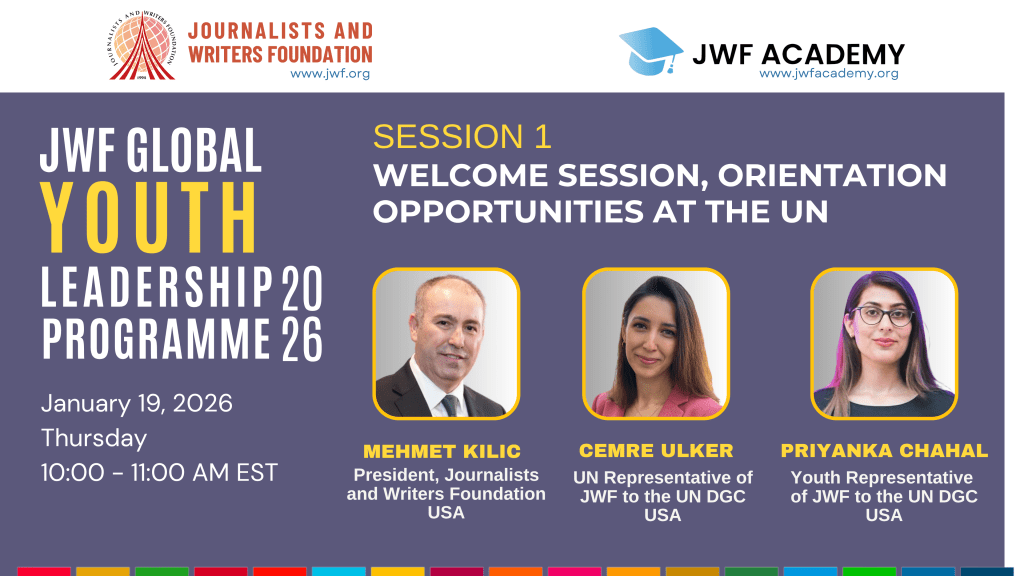
Session 1 also introduced participants to the wider landscape of opportunities connected to the United Nations. Speakers emphasized that the months ahead would help participants better understand entry points into multilateral spaces, including pathways for youth engagement, exposure to expert speakers, and opportunities to connect their own fields of study and practice to international frameworks and institutions. In this sense, the session served both as an introduction to the programme and as an invitation to imagine youth leadership as a serious and actionable component of global governance. Following after the presentations of the JWF Executive Team, Session 1 hosted several other coordinators and alumni of the GYLP to share their reflections.
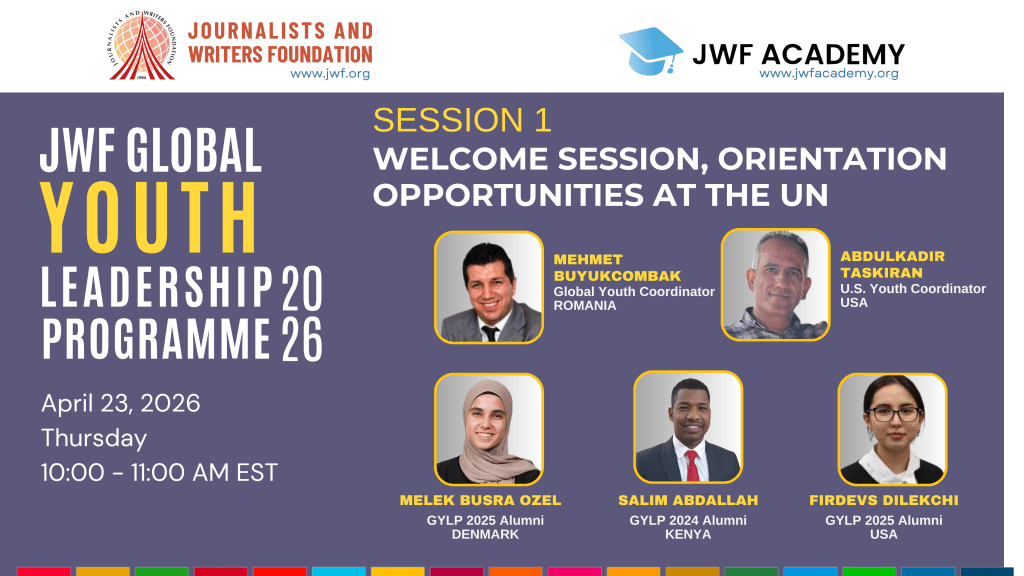
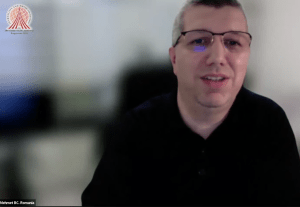 Mehmet Buyukcombak, Global Youth Coordinator from Romania, emphasized the importance of youth leadership in fostering social change both locally and globally. He expressed pride in the program’s role in empowering young leaders and highlighted the program’s focus on critical areas such as human rights, sustainable development, and peacebuilding. Mehmet underscored the significance of building networks and participating actively in various working groups, which align with Sustainable Development Goals (SDGs). He also stressed that active engagement and consistent participation (at least 4 out of 6 sessions) are essential for maximizing benefits from the program, including opportunities to organize projects, conduct research, and represent youth at UN platforms. Abdulkadir Taskiran, U.S. Youth Coordinator, reflected on the transformative impact of the program in shaping his understanding of leadership, intercultural dialogue, and social responsibility. He highlighted his involvement in interfaith initiatives and projects that bridge cultures in Kenya, emphasizing that the program has nurtured confidence and provided a platform for practical activism. Abdulkadir also shared his upcoming participation in international conferences, illustrating how the program has opened doors to global platforms and reinforced his commitment to interfaith and environmental advocacy.
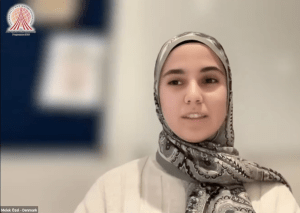 Melek Busra Ozel, GYLP 2025 Alumni from Denmark, shared a personal reflection on her journey from participating in the program to leading youth initiatives in Denmark, such as the Nordic Youth Platform. She noted that the program helped her develop leadership skills, expand her network, and gain practical experience through international projects and collaborations. Melek emphasized the value of networking and the importance of building communities that promote youth action in SDGs, stressing that the program was a solid first step toward making tangible social impacts.
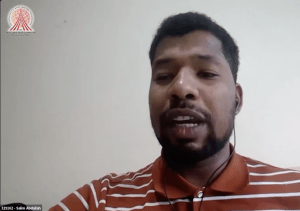 Salim Abdallah, GYLP 2025 Alumni based in Kenya, highlighted the deep personal and intellectual growth he experienced through the program. He discussed his current work on interfaith conflict resolution in Kenya and his participation as a panelist in international forums, attributing these opportunities to the skills and confidence gained from the program. Salim underscored the importance of youth involvement in decision-making processes and shared his ambitions to continue working on peace, climate, and interfaith initiatives, inspired by the program’s mentorship and training.
 Firdevs Dilekchi, USA Alumni of GYLP 2025, reflected on the role of the program in fostering intercultural dialogue, empathy, and social awareness among youth. She emphasized that true leadership involves building relationships across diverse societies and promoting peace through sincere communication. Firdevs highlighted the challenge of technological indifference and the need for youth to rediscover values of social responsibility and empathy. She expressed hope that the program would continue to shape responsible future leaders committed to societal harmony.
In summary, these reflections collectively underscore the program’s role in empowering youth, fostering cross-cultural understanding, and equipping participants with practical skills, networks, and confidence to lead positive change at local and global levels. The participants’ insights reveal a shared belief that active participation, community engagement, and international cooperation are vital for addressing societal challenges and advancing the SDGs.
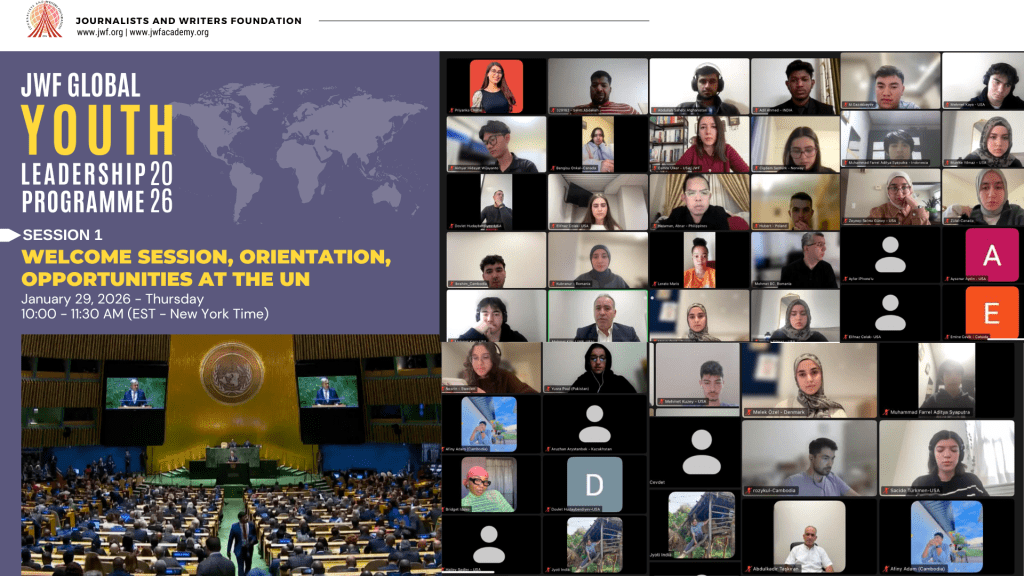
Overall, the first session established a strong foundation for the 2026 cohort. It introduced participants to JWF’s mission, clarified the goals and expectations of the programme, and created an early sense of community among a globally diverse group of young leaders. Most importantly, it affirmed a central message that will likely shape the months ahead: that youth leadership is not only about aspiration, but also about responsibility, collaboration, and the capacity to translate ideas into meaningful social impact.